
Spain has become one of Europe’s most exciting and sought-after study destinations—and it’s easy to see why. Beyond its sunny climate, world-famous cuisine, and rich cultural heritage, Spain offers a dynamic and well-rounded education system that blends academic excellence with an exceptional quality of life.
For international students, studying in Spain is not just about earning a qualification—it’s about experiencing a new way of learning, living, and connecting with the world. From high school to university, Spain provides an environment where education, culture, and personal growth go hand in hand.
Understanding how the system works is the first step toward making the most of this opportunity.
The Structure of Education in Spain
The Spanish education system is clearly organized into progressive stages, designed to support students from early childhood through to higher education:
- Early Childhood Education (0–6 years) – Educación Infantil
- Primary Education (6–12 years) – Educación Primaria
- Compulsory Secondary Education (12–16 years) – Educación Secundaria Obligatoria (ESO)
- Post-compulsory Education (16–18 years) – Bachillerato
- Higher Education – University studies
Education is compulsory between the ages of 6 and 16, ensuring a solid academic foundation for all students.
But what truly defines education in Spain goes beyond structure—it’s the emphasis on holistic development, where academic learning is combined with social interaction, creativity, and real-world experiences.

What Students Study in Spanish Schools
The Spanish curriculum is broad and balanced, designed to develop both knowledge and essential life skills.
Core subjects typically include:
- Spanish Language and Literature
- Mathematics
- Geography and History
- Sciences (Biology, Physics, Chemistry)
- Foreign Languages (commonly English, often French)
- Physical Education
- Art and Music
- Technology and Digital Skills
In regions such as Catalonia, the Basque Country, or Galicia, students may also study a co-official language, adding a unique multilingual dimension to their education.
Learning in Spain is not limited to memorization. There is a strong focus on communication, critical thinking, and collaboration—skills that are essential in today’s global world.
What Classes Are Like in Spain
A typical school day usually begins between 8:00 and 9:00 a.m. and finishes in the early afternoon, although some schools offer extended schedules with afternoon classes or extracurricular activities.
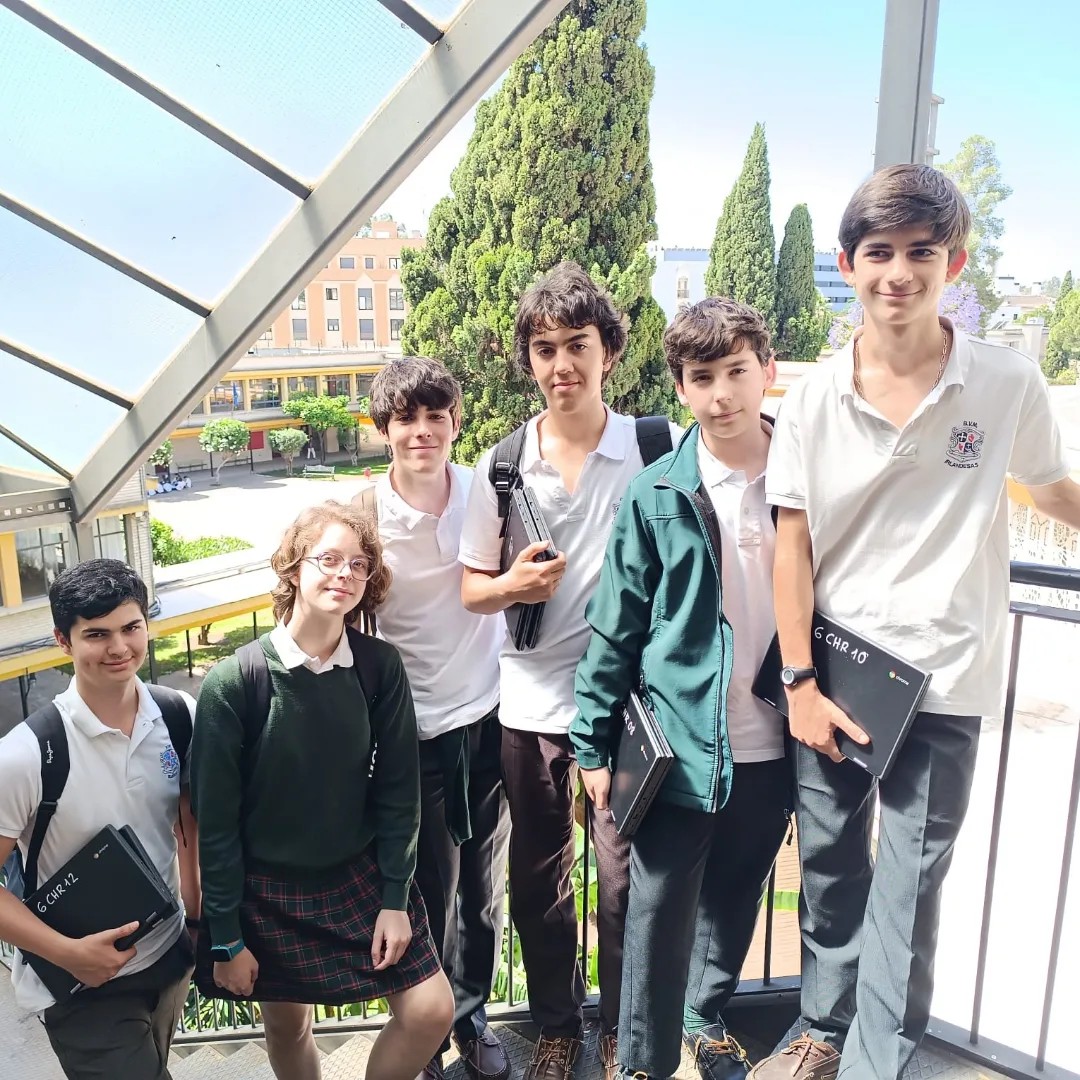
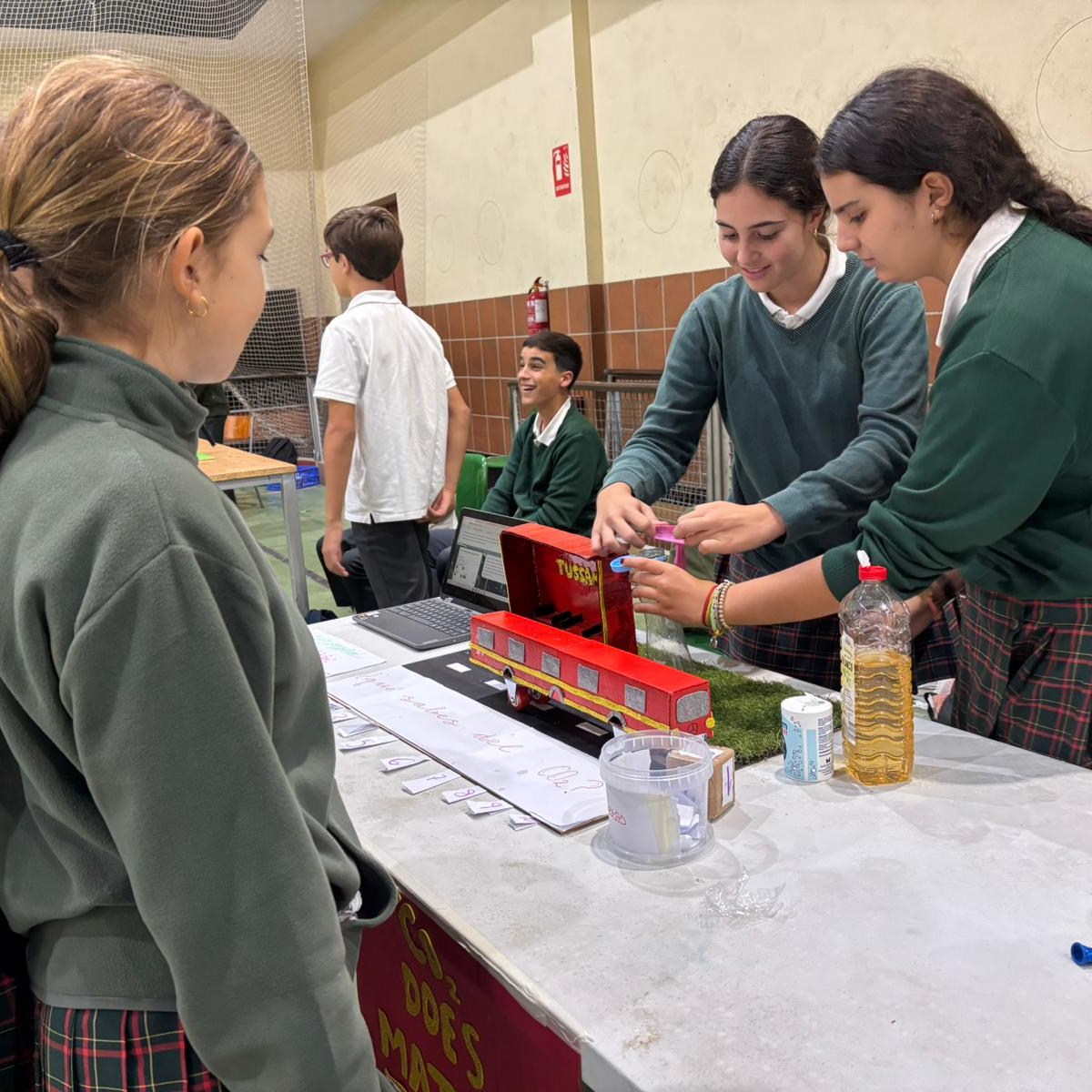
Classrooms in Spain are structured yet highly interactive. Students are encouraged to actively engage in their learning through:
- Group discussions
- Collaborative projects
- Oral presentations
- Independent assignments
This approach fosters confidence, public speaking skills, and teamwork—qualities that benefit students far beyond the classroom.
Opportunities for International Students
Spain stands out as a welcoming and internationally minded destination, where schools and universities are well-equipped to support students from around the world. Beyond academic excellence, institutions offer a wide range of services designed to help international students integrate, succeed, and thrive.
Many schools and universities provide:
- Programs taught in English
- Spanish language courses at all levels
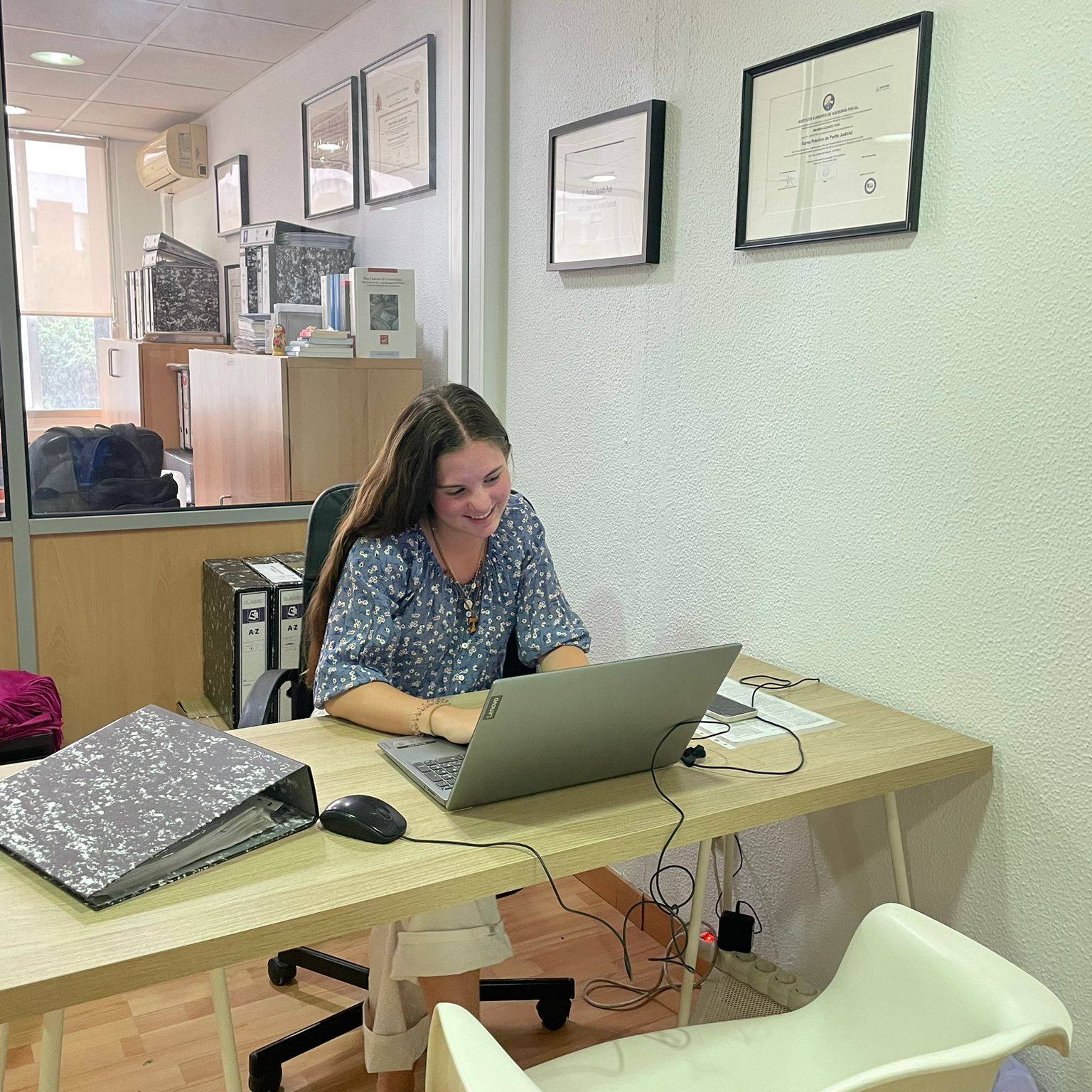
- Internship and career development opportunities
- International exchange programs such as Erasmus+
This global environment allows students to build a strong academic foundation while developing the intercultural skills and international perspective essential for today’s world.
Student Life in Spain
Student life in Spain is vibrant, dynamic, and deeply social—an essential part of the overall experience. Beyond the classroom, students have countless opportunities to connect, explore, and grow.
They can immerse themselves in:
- Clubs and student associations
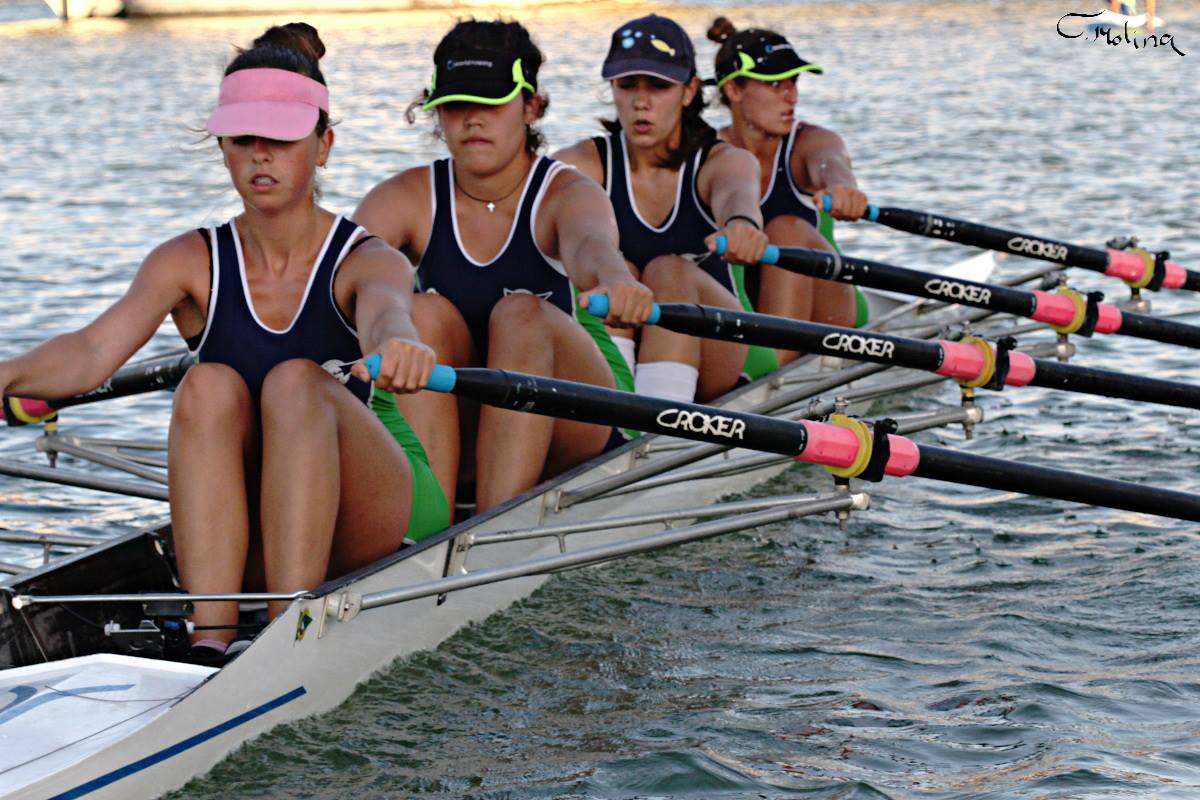
- Sports teams and fitness activities
- Cultural events and artistic initiatives
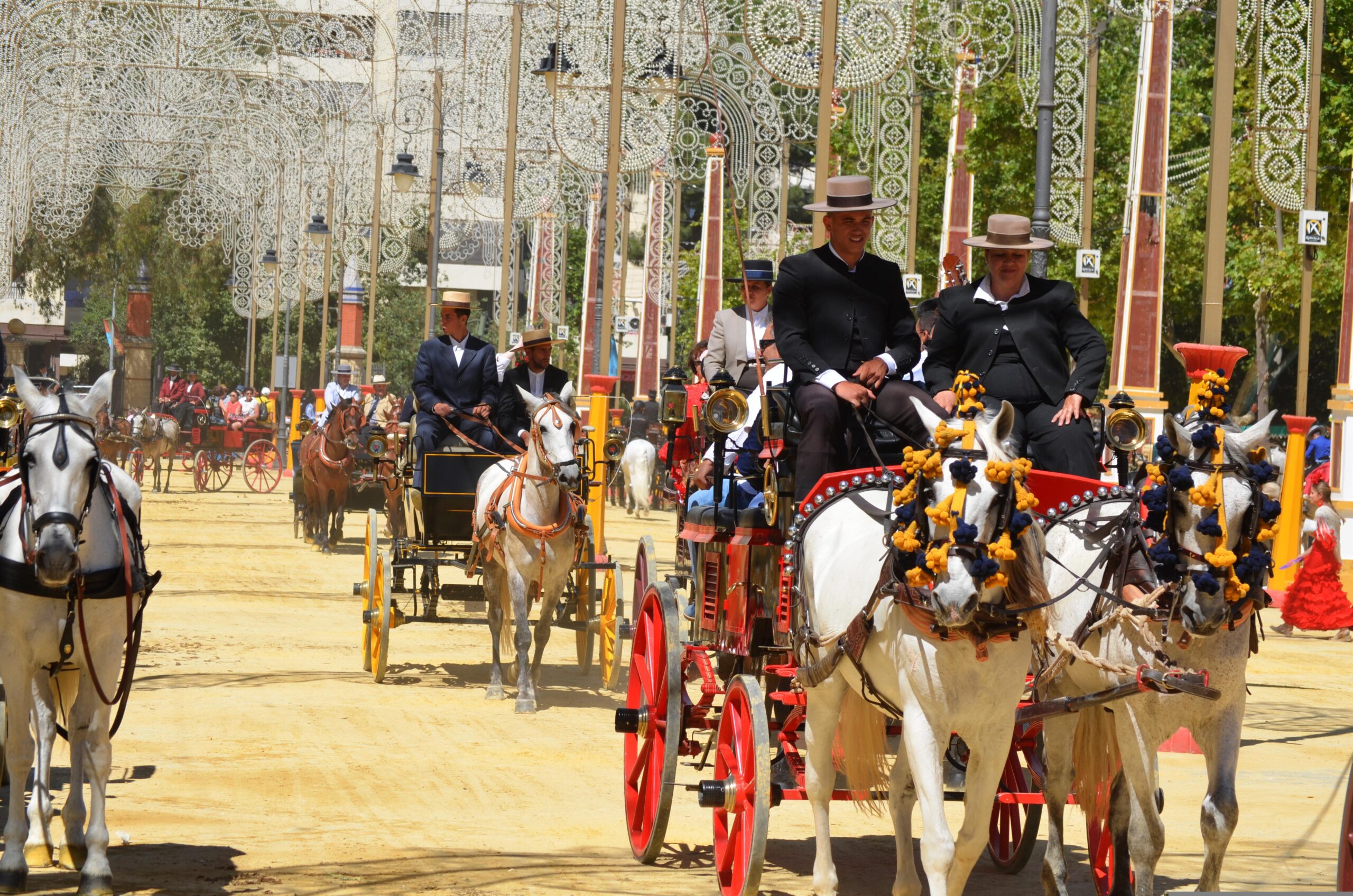
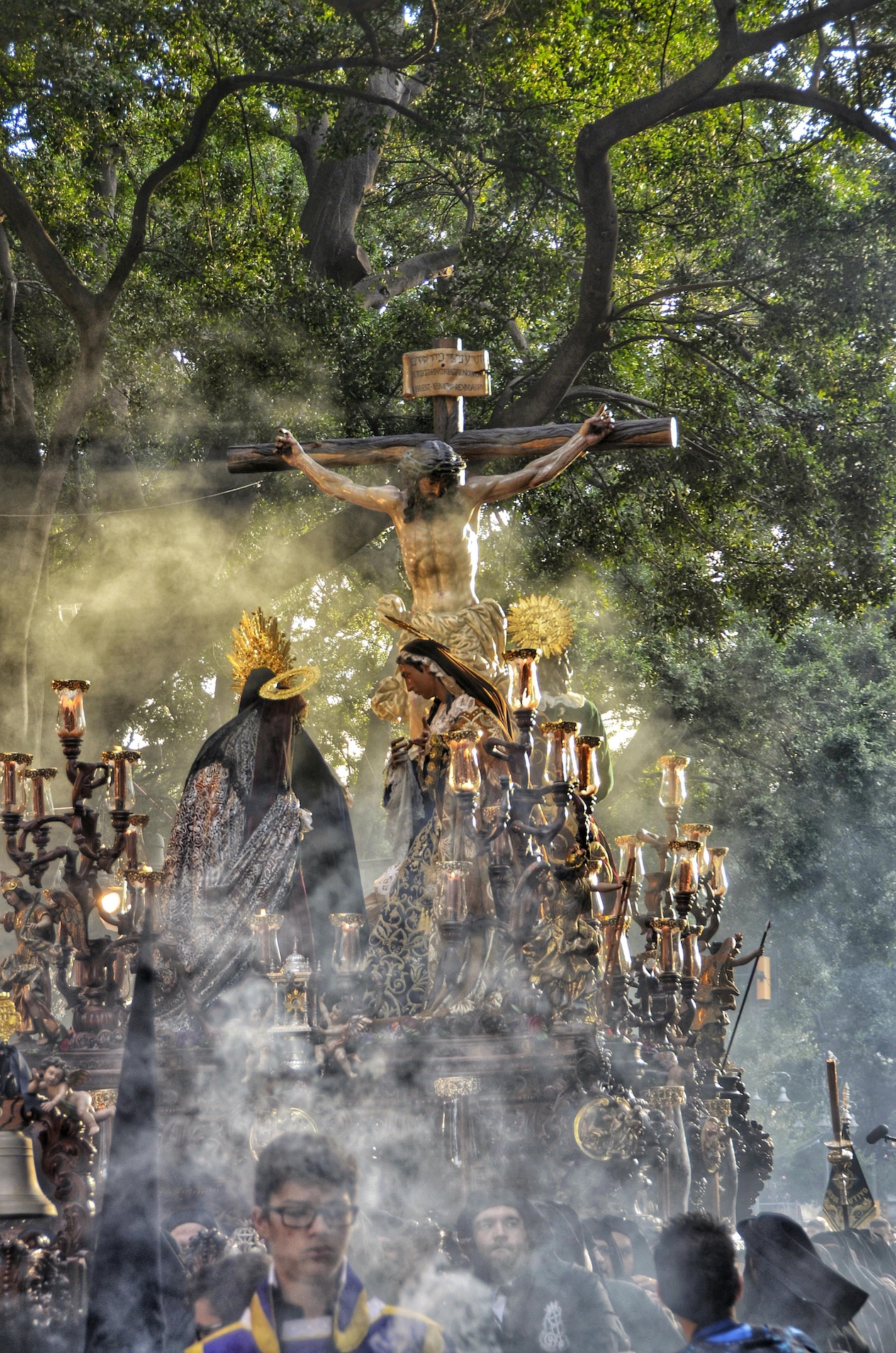
- Festivals and local traditions
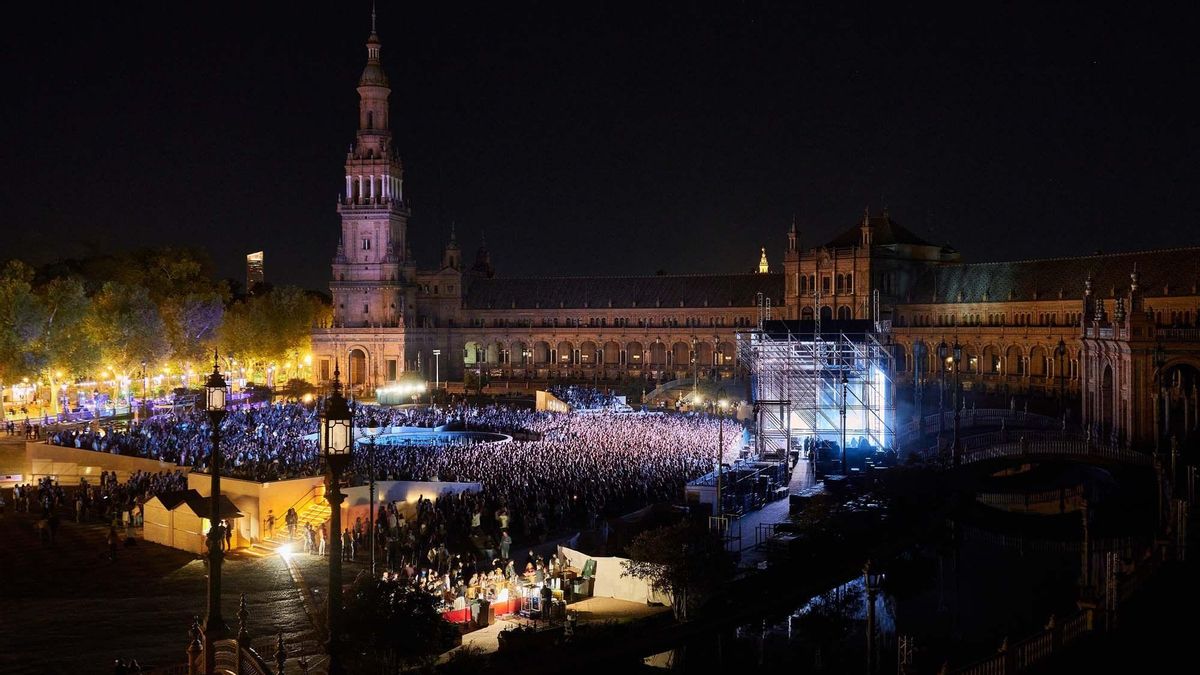
Cities like Seville offer a particularly rich student atmosphere, where historic charm meets a lively, youthful energy. Here, academic life blends effortlessly with cultural discovery and an active social scene.
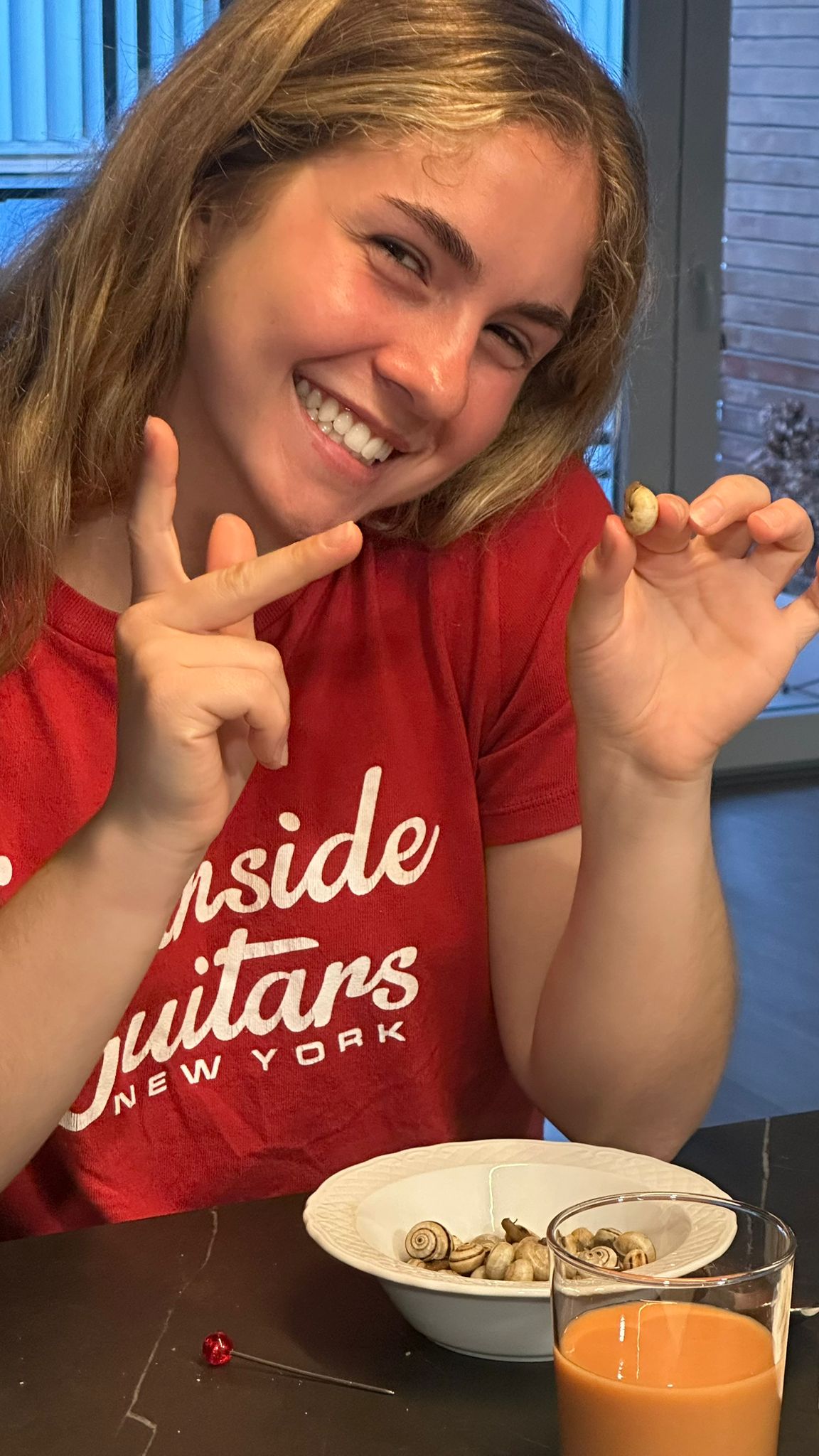
Studying in Spain: More Than an Education
Choosing Spain means choosing far more than a place to study—it means embracing a way of life.
It’s attending inspiring classes in the morning, wandering through historic streets in the afternoon, and sharing unforgettable moments with friends in the evening.
From engaging academic environments to a rich cultural and social experience, Spain offers a truly unique educational journey—one that combines academic quality, cultural immersion, and personal growth.
For international students, it’s not just about earning a qualification. It’s about creating memories, building lifelong connections, and gaining an experience that will stay with you forever.
Turn your dream of studying in Spain into a life-changing reality—get in touch with us today and let us create a personalized program designed just for you.
Highs Schools in Spain
Spain offers a variety of school options, allowing families to choose the environment that best suits their needs:Public Schools
Funded by the government, public schools are free (excluding materials and services) and follow the national curriculum. They offer full linguistic and cultural immersion, as classes are primarily taught in Spanish (and sometimes in a regional language). This makes them an excellent option for international students seeking an authentic Spanish experience.Semi-Private Schools
These are semi-private schools: privately managed but partially state-funded. They combine accessibility with flexibility and often provide a strong academic environment along with extracurricular opportunities. Some have a religious foundation but are open and inclusive.Private and International Schools
Fully independent and funded through tuition fees, these schools often offer bilingual or international programs such as:- British curriculum
- American system
- International Baccalaureate (IB)
School Life Beyond the Classroom
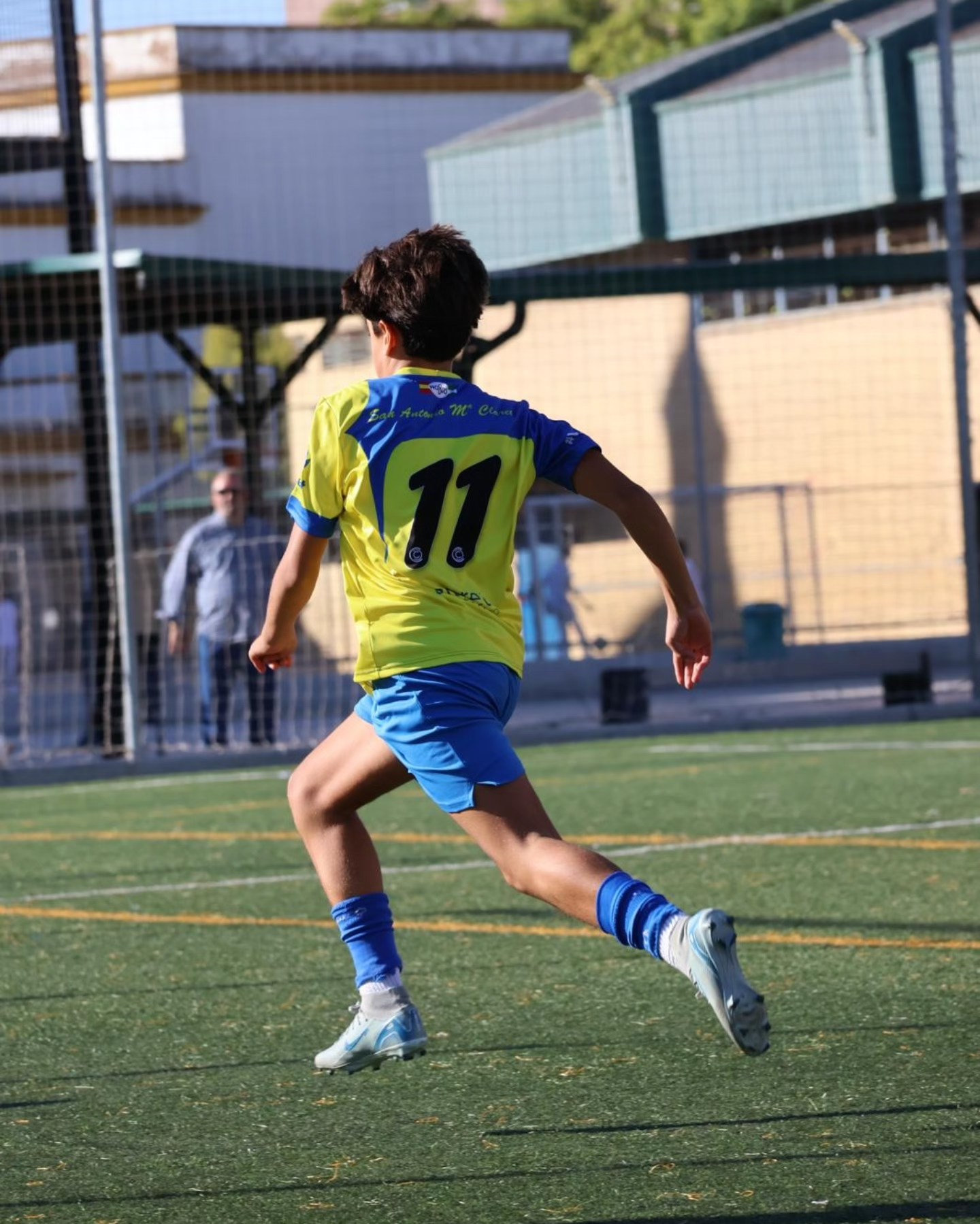
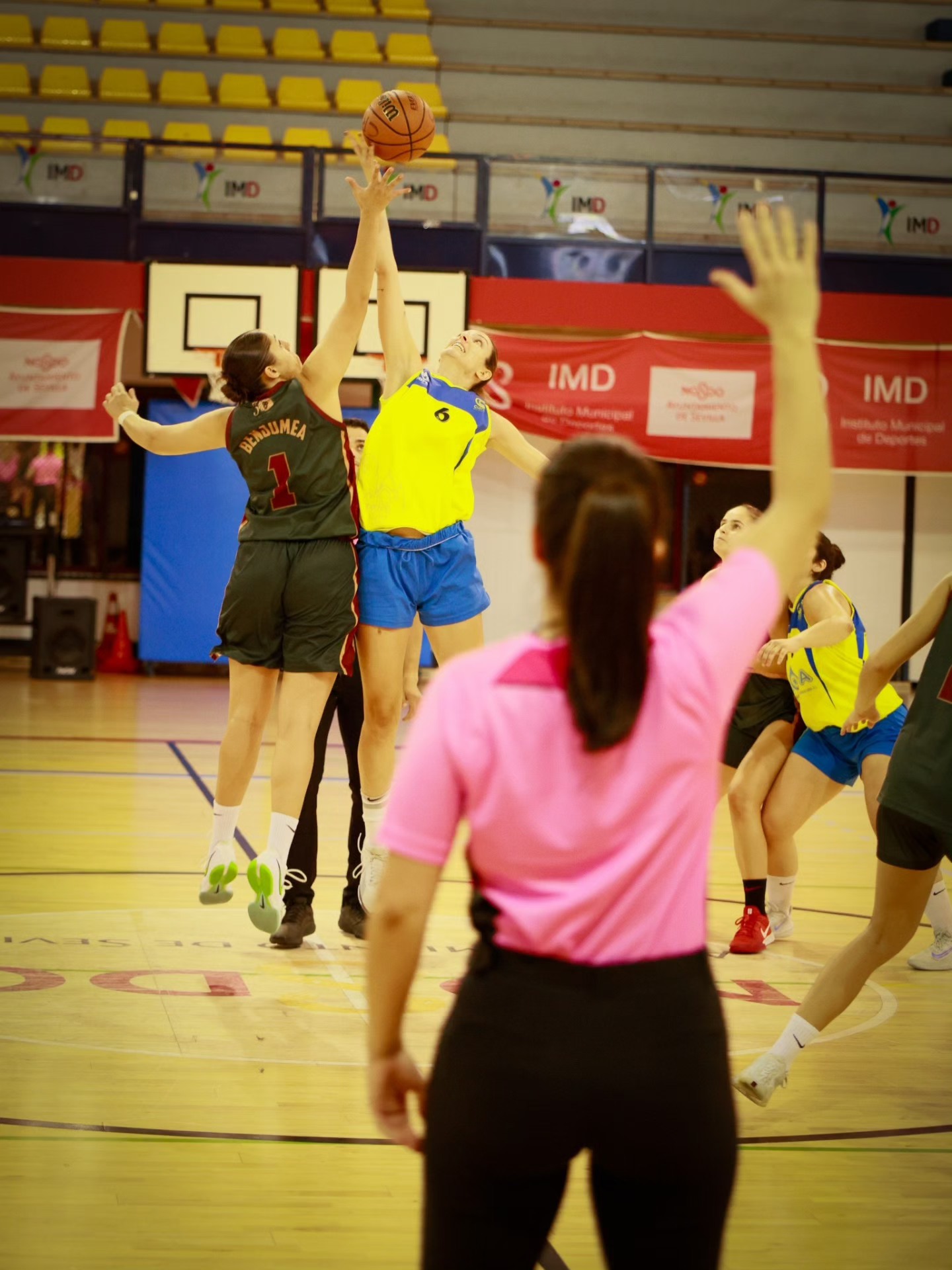
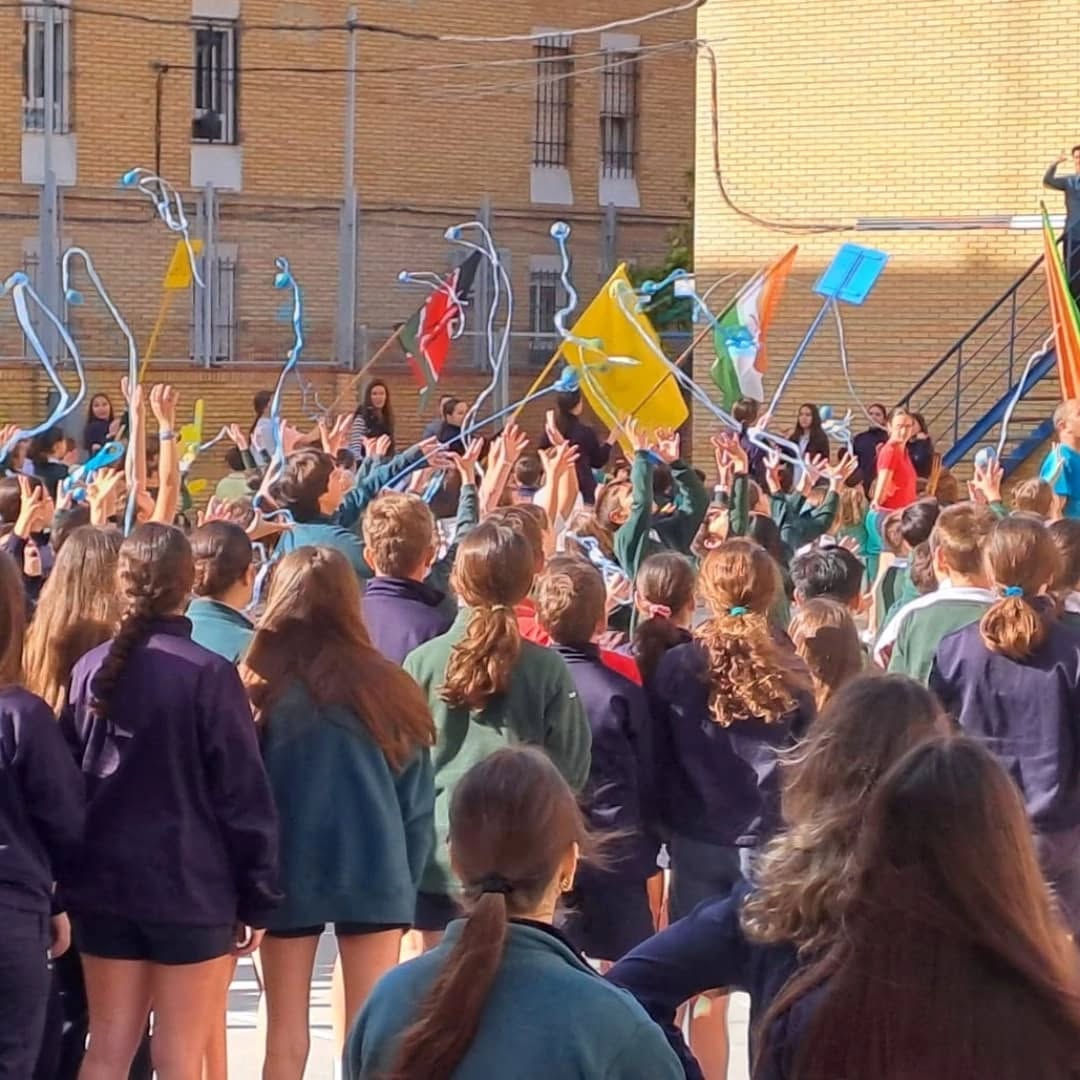
One of the most enriching aspects of studying in Spain is that education extends far beyond academic lessons. Extracurricular Activities
Schools offer a wide variety of activities that allow students to explore their interests and build new skills: - Sports (football, basketball, volleyball)
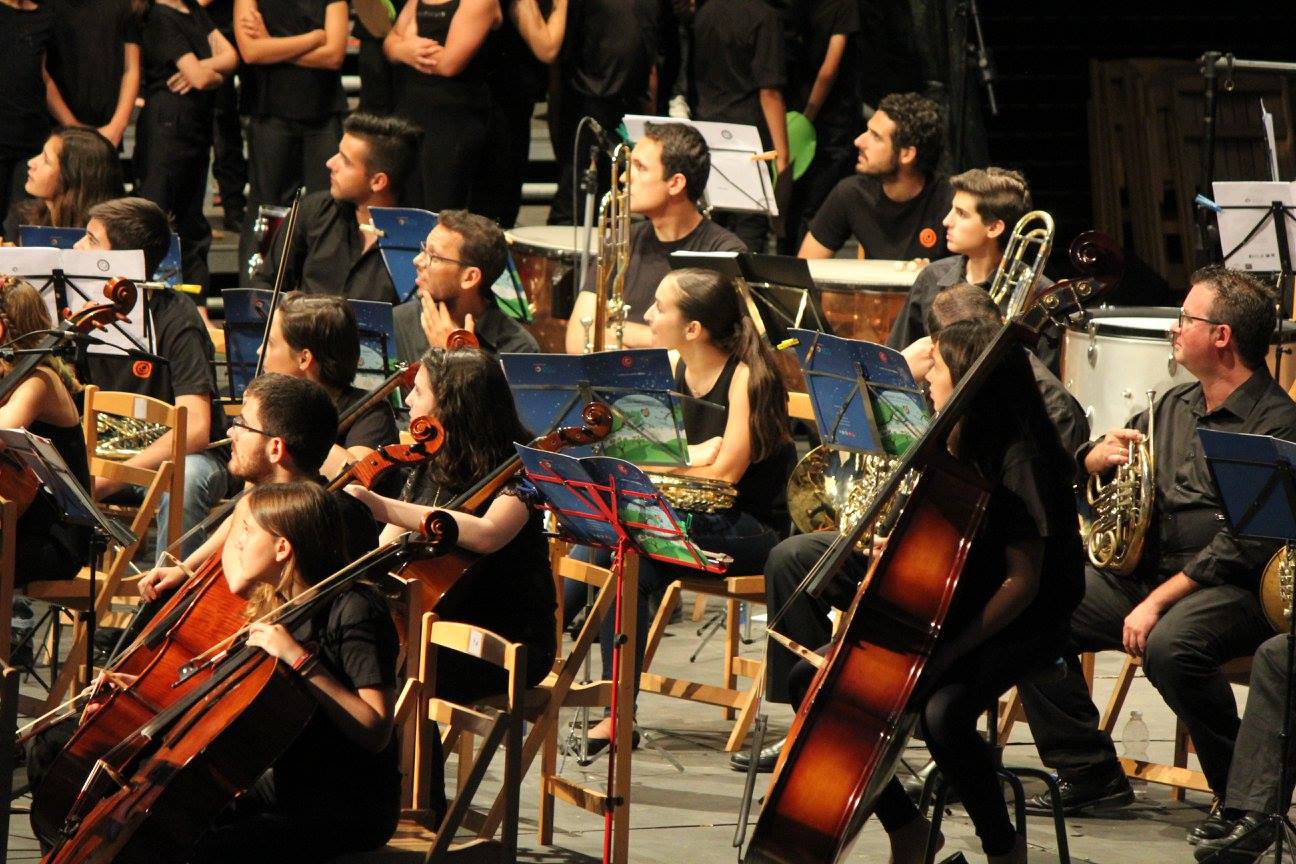
- Music, choir, and instruments
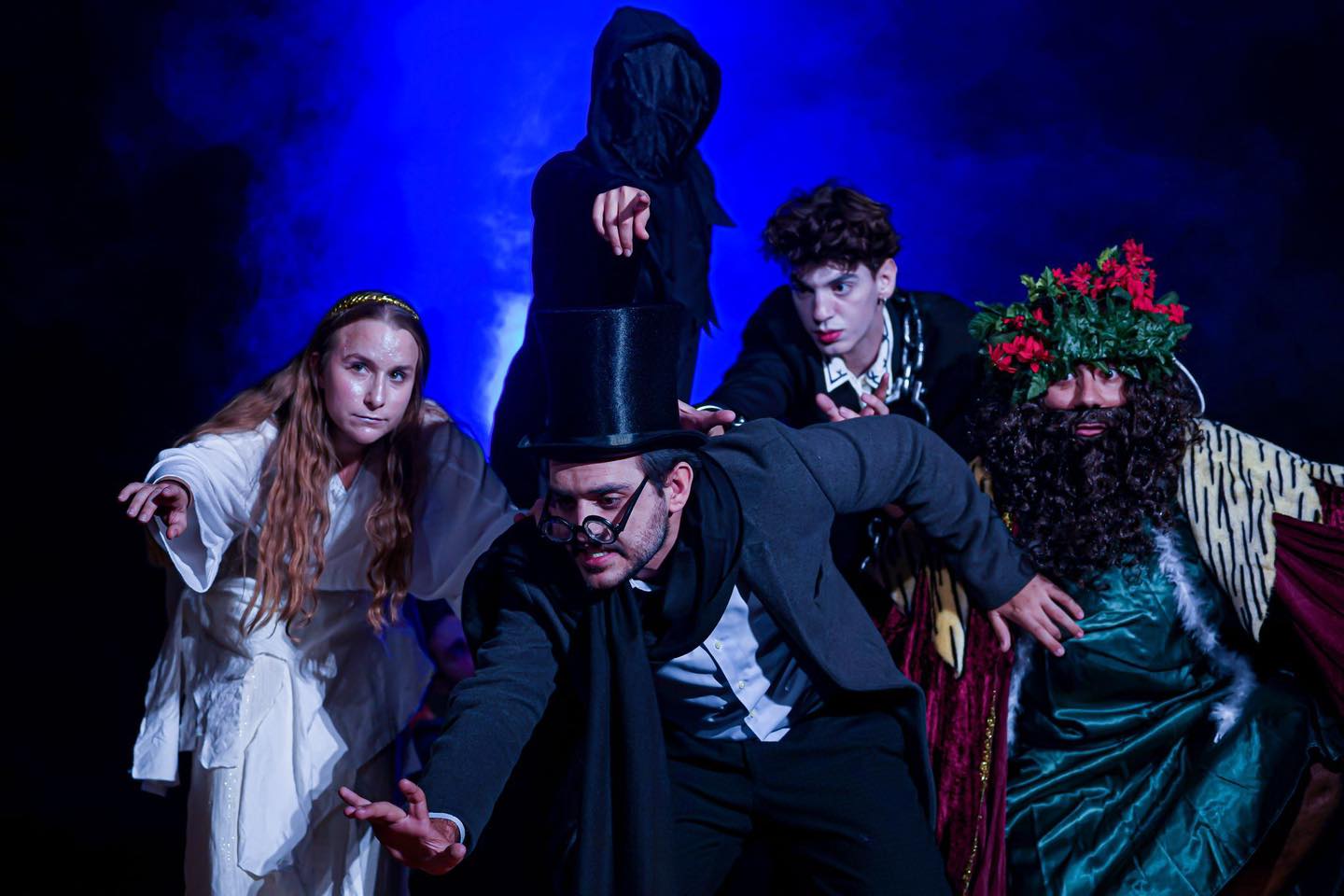
- Theatre and drama
- Art and creative workshops
- Robotics and technology clubs
These activities are essential for building confidence, friendships, and a sense of belonging.
School Trips: Learning Through Experience
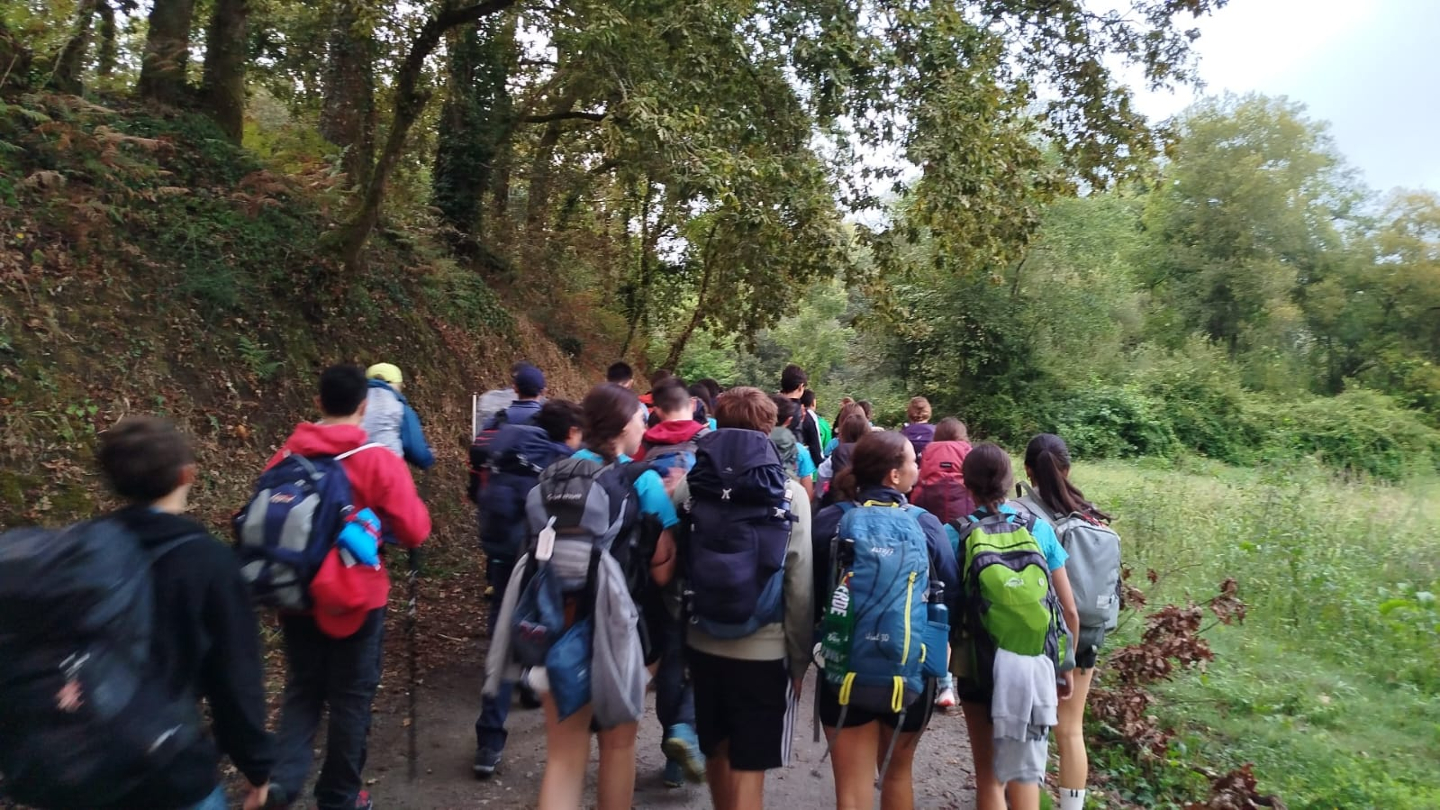
School trips and excursions are a cornerstone of the Spanish education experience. Regularly organized throughout the year, they bring learning to life.
Cultural Trips
Visits to museums, historic cities, monuments, and theatres help students connect with Spain’s rich cultural and historical heritage.
Educational Visits
Students explore science museums, universities, research centers, and even companies—bridging the gap between theory and practice.
Nature and Environmental Trips
From mountains to beaches and natural parks, these excursions promote environmental awareness and outdoor learning.
Social and Recreational Trips
End-of-year trips, sports events, and international travel opportunities create unforgettable memories and strengthen friendships.
Celebrations and School Culture
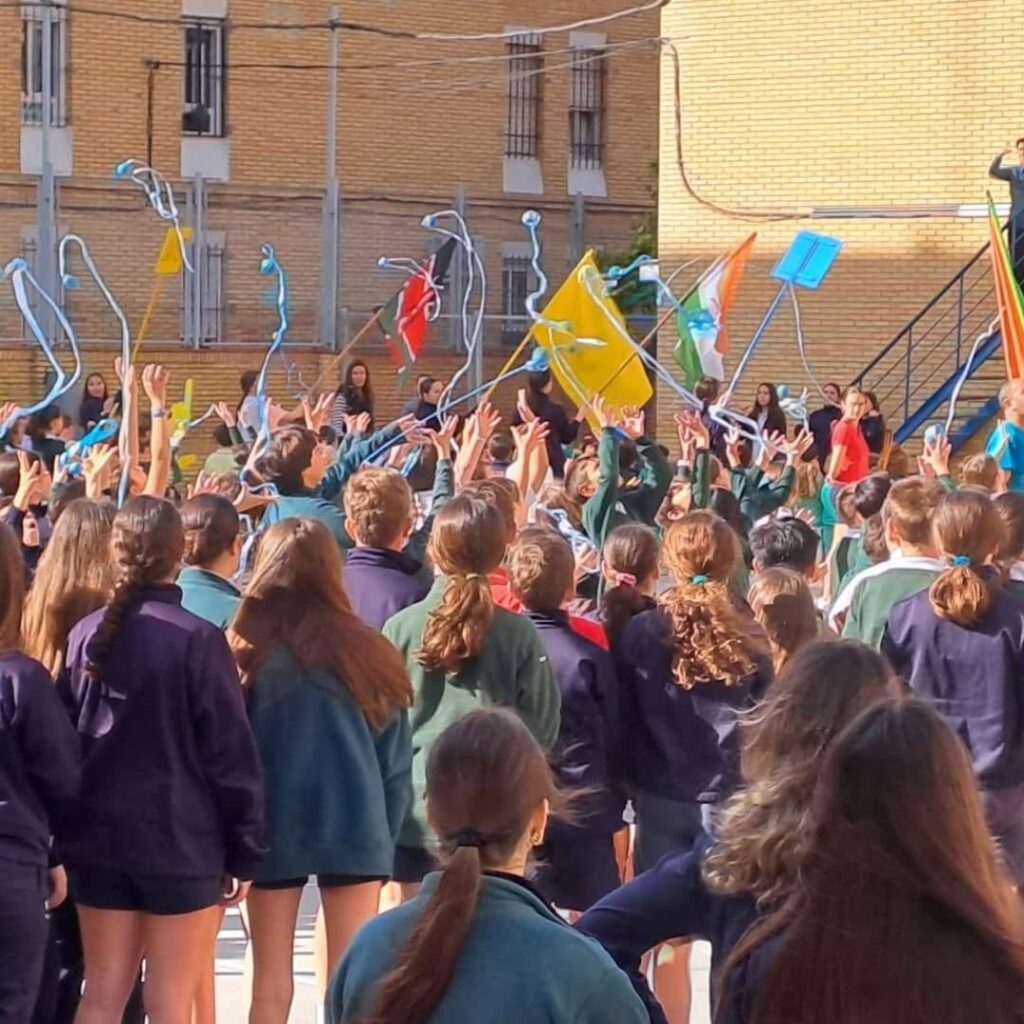
Spanish schools are vibrant communities with a lively calendar of events. Students actively participate in celebrations such as:
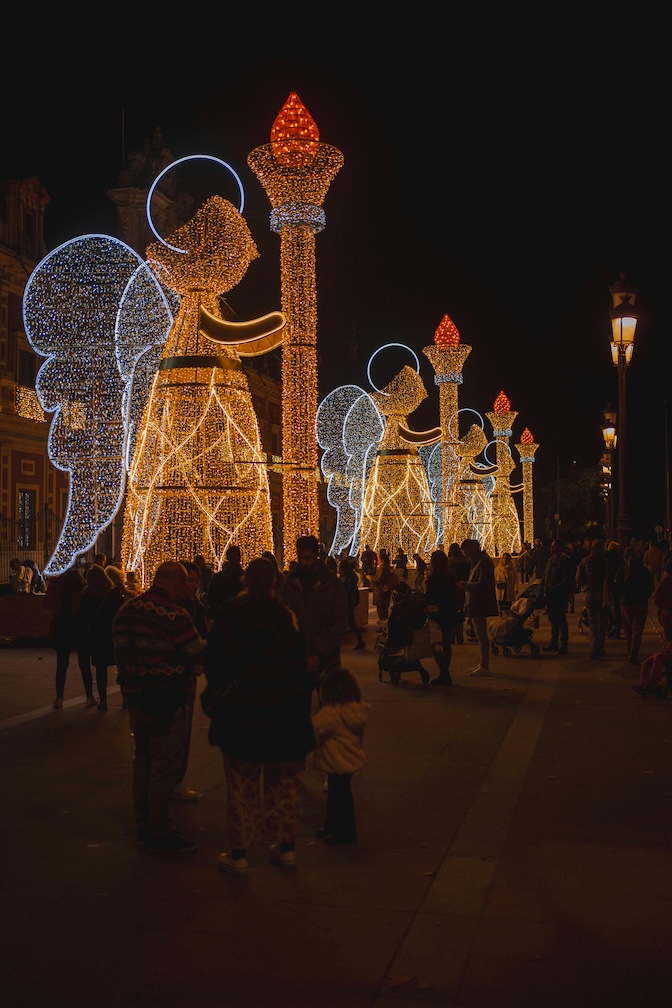
- Christmas festivities
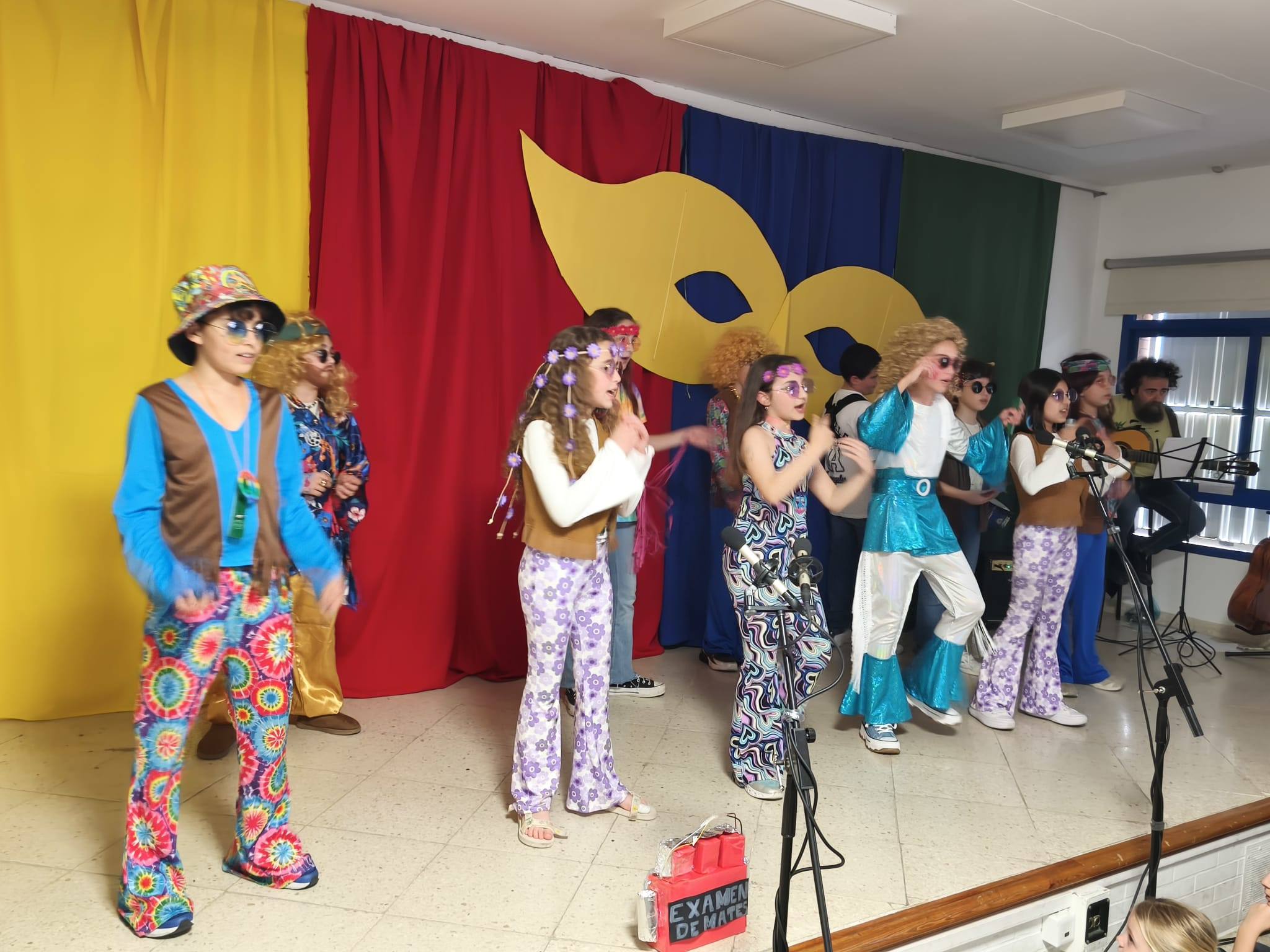
- Carnival (with costumes and performances)
- Regional and local holidays
- End-of-year festivals and graduation ceremonies
Education in Values
A defining feature of the Spanish system is its commitment to educación en valores—values-based education integrated into everyday learning.
Students are encouraged to develop:
- Respect and inclusion
- Equality and diversity awareness
- Teamwork and cooperation
- Environmental responsibility
- Emotional intelligence and empathy
This ensures that students grow not only academically, but also as socially responsible and globally minded individuals.
University Education in Spain
After completing Bachillerato, students can enter university, which is part of the European Higher Education Area (EHEA)—making degrees internationally recognized.
Degree Structure
- Bachelor’s Degree (Grado): 4 years
- Master’s Degree (Máster): 1–2 years
- Doctorate (PhD): 3–4 years
This system allows for gradual specialization and academic flexibility.
What University Life Is Like
University education in Spain encourages independence and personal responsibility. Students take a more active role in managing their studies and schedules.
Teaching methods include:
- Lectures
- Seminars and discussions
- Practical sessions
- Group projects and research
Assessment is typically continuous, combining exams, coursework, and participation.
Start your journey today—contact us and discover how we can create a personalized study abroad experience in Spain that matches your goals, interests, and ambitions.