Being in Spain as an international student in spring means you will experience one of the country’s most powerful traditions: Holy Week (Semana Santa). Far from being just a religious celebration, it is a deep cultural, social, and emotional experience that transforms entire cities.
If you are planning to study in Spain—or already are—this guide will help you understand what to expect, how students experience it, and why it becomes one of the most memorable parts of your time abroad.
What is Holy Week and why is it so important in Spain?
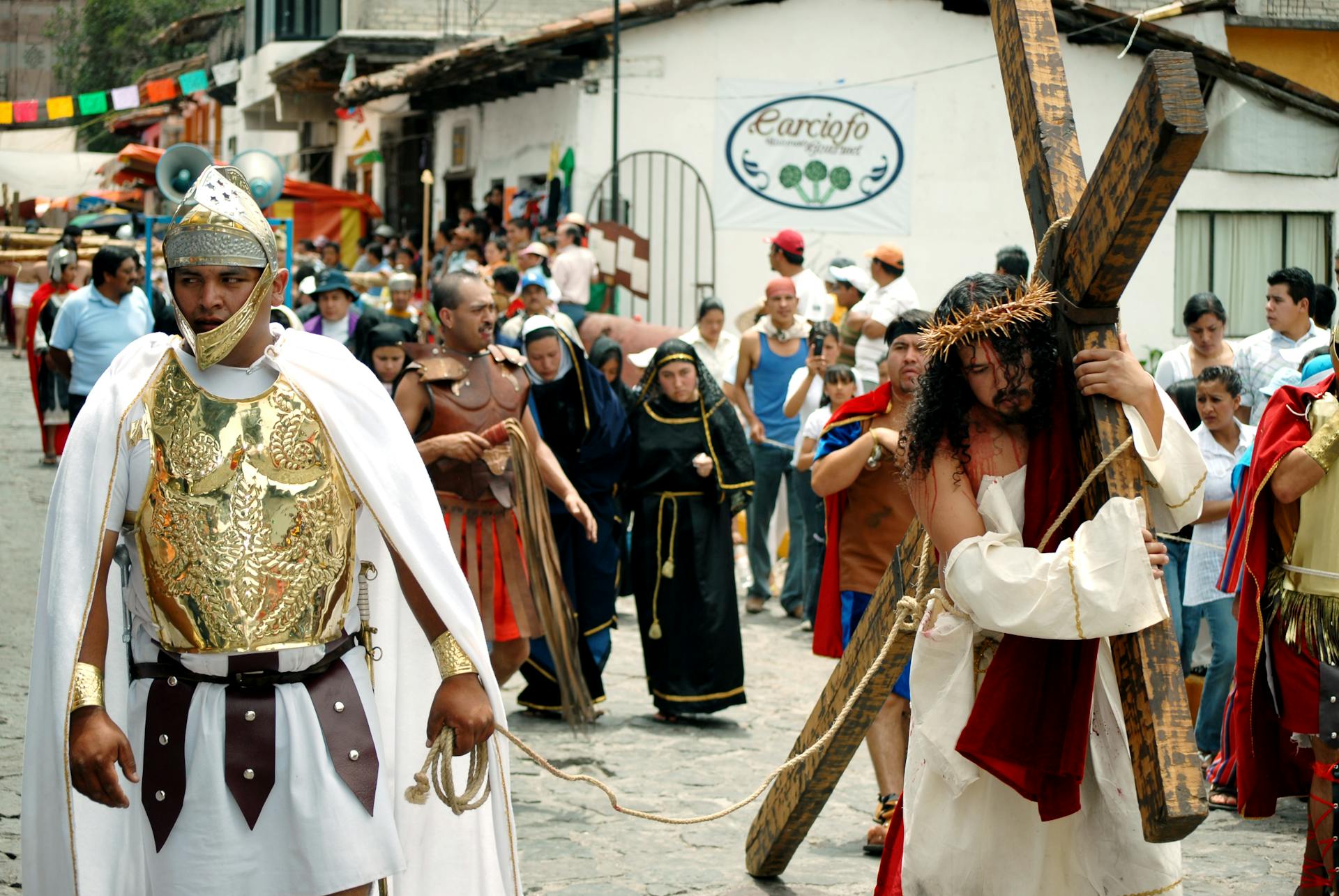
Holy Week commemorates the Passion, Death, and Resurrection of Christ, but in Spain it has evolved into one of the country’s most important cultural events.
During this week:
- Processions take place in the streets for hours
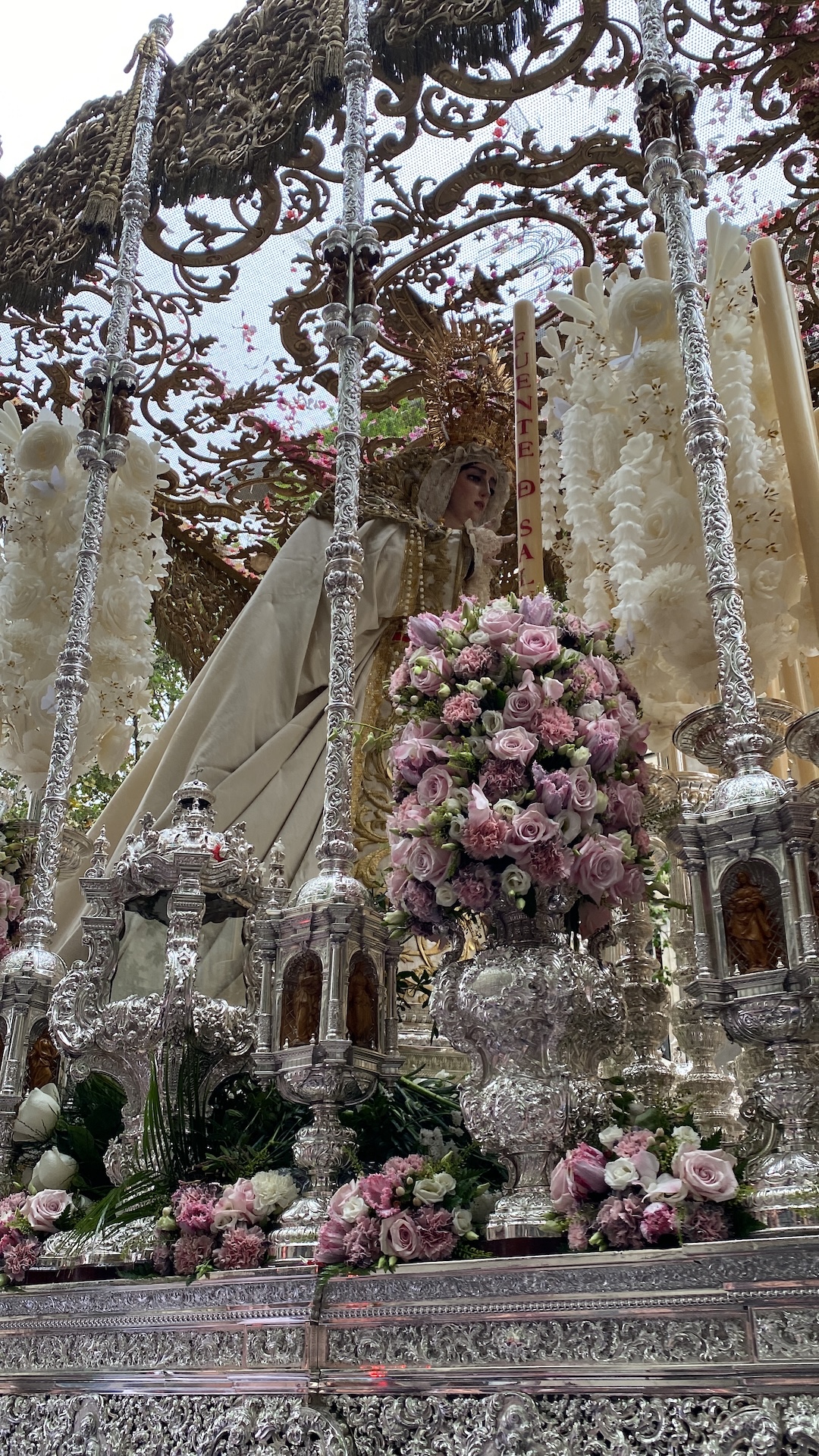
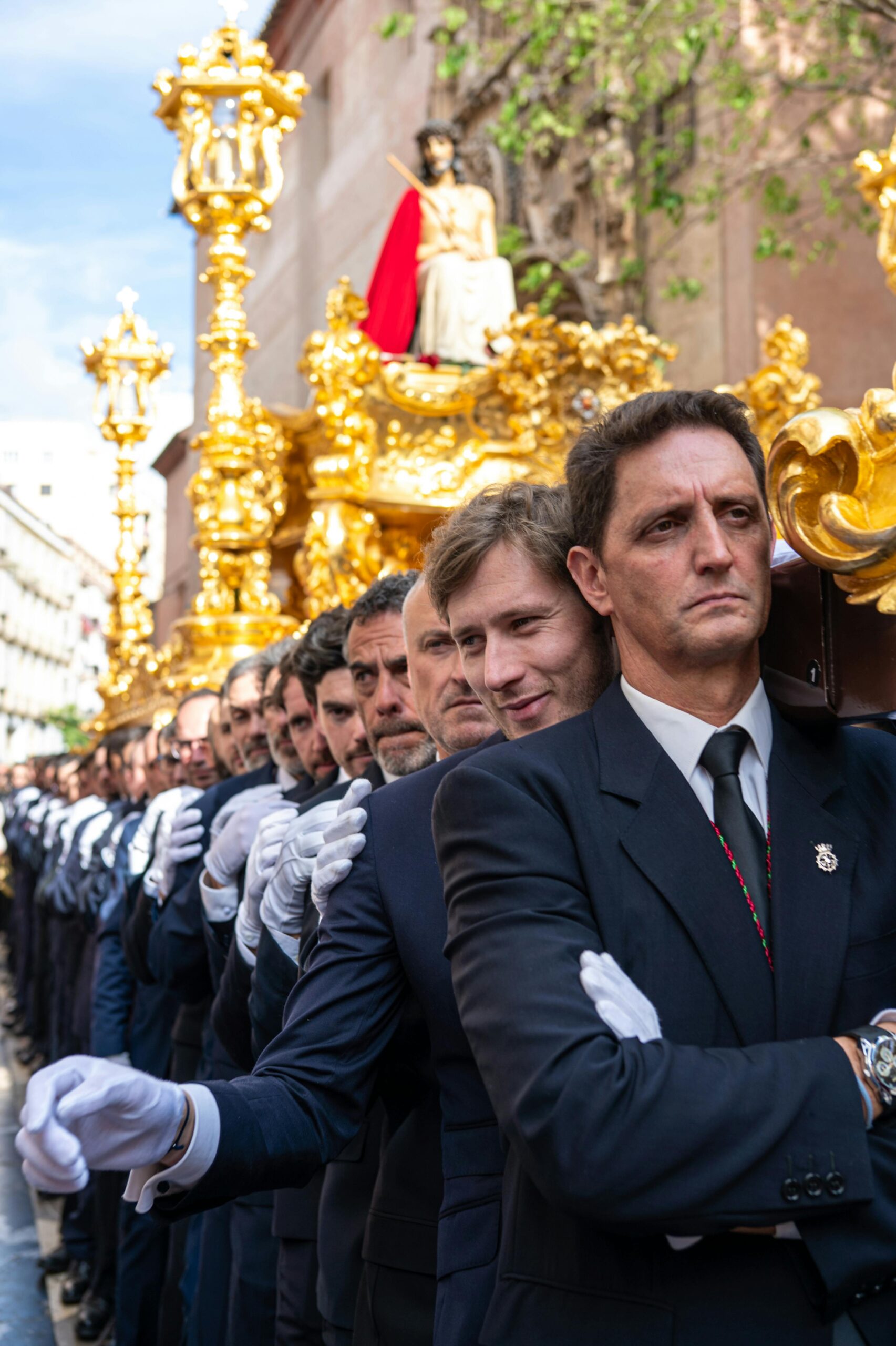
- Brotherhoods (“cofradías”) carry large religious floats known as “pasos”
- Thousands of people participate or watch
In cities like Seville, Málaga, or Granada, Holy Week is not just an event—it is a way of life and a key part of local identity.
What is the experience like for an international student?
First impression: surprise, curiosity, and emotion
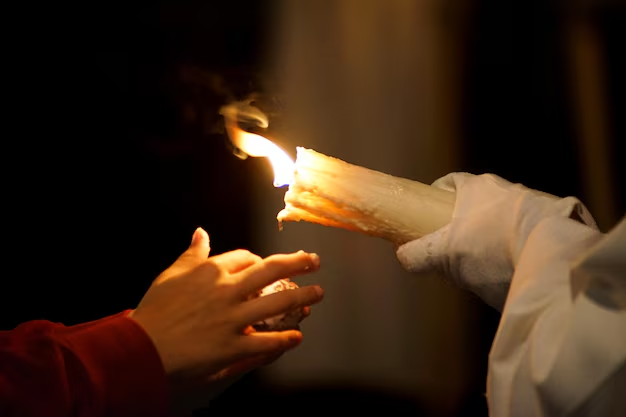
For many international students, the first procession is completely unexpected. A normal street suddenly transforms into a very different atmosphere: silence, music, candles, and a crowd watching with respect.
What usually stands out:
- Nazarenes wearing traditional robes and pointed hoods
- Massive floats carried by “costaleros”
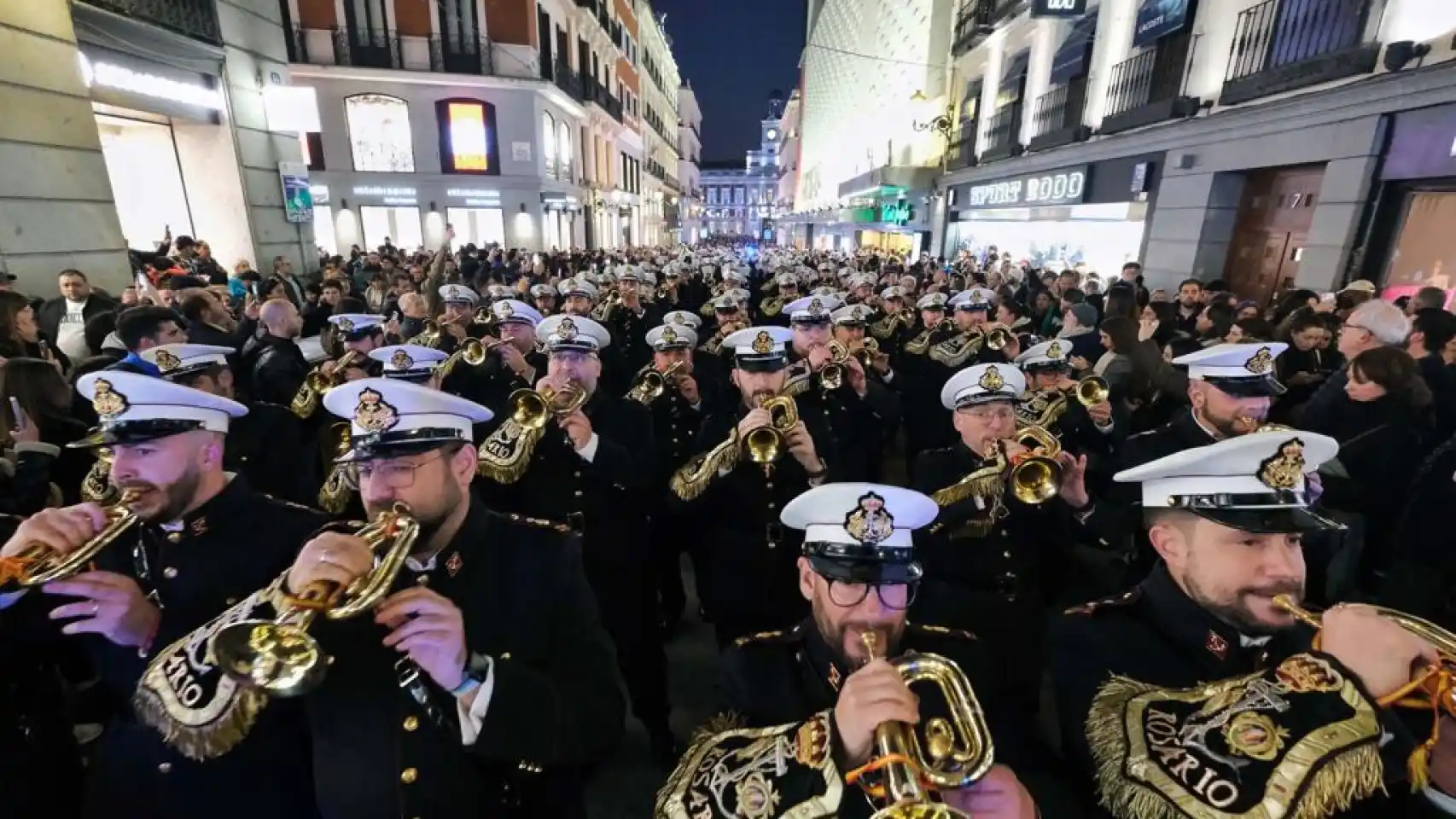
- Live music with drums and brass bands
- Moments of absolute silence that create a powerful atmosphere
From observer to participant
As the week goes on, students usually become more engaged:
- They learn to recognize different brotherhoods
- They discover the most important processions
- They share the experience with local students
- They begin to understand the meaning and emotions behind it
Even without being religious, most students agree: the experience is deeply moving.
Are there classes during Holy Week?
This is a very common question. Although the official national holidays are Holy Thursday and Good Friday, in practice Holy Week affects the entire academic week.
In most cities and schools:
- There are no classes during the whole week, or academic activity is significantly reduced
- Universities and language schools adjust their schedules
- Many students travel or fully immerse themselves in the experience
This gives you plenty of time to enjoy Holy Week without worrying about classes or exams.
What happens in class before Holy Week?
The weeks leading up to Holy Week are very important, especially for international students.
In many programs:
- Key concepts are introduced (cofradía, paso, saeta, costalero)
- Cultural content is included in Spanish classes
- Teachers explain traditions and what to expect
- Sometimes there are talks, visits, or recommendations
This preparation helps students understand what they are about to experience and enjoy it even more.
Traditional food during Holy Week: what you must try
Holy Week is also a culinary experience. Special traditional dishes and sweets appear during these days:
Traditional sweets
- Torrijas: similar to French toast, soaked in milk or wine, fried, and topped with sugar or honey
- Pestiños: fried dough sweets with honey or sugar, very typical in Andalusia
- Buñuelos: small fried dough balls, sometimes filled with cream
Traditional savory dishes
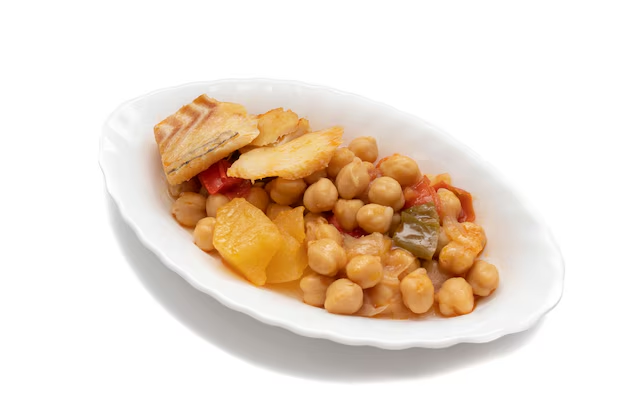
- Potaje de vigilia: chickpeas, spinach, and cod
- Cod dishes: widely consumed due to the tradition of not eating meat
Trying these foods is a great way to experience Spanish culture through taste.
The atmosphere in the city: how everything changes
One of the most striking aspects of Holy Week is how the city itself transforms:
- Streets filled with people at all hours
- Shops and schedules adapting to the celebrations
- Families and friends planning their day around processions
- A unique balance of silence, emotion, and celebration
Each part of the day offers a different experience:
- Mornings: quieter and more relaxed
- Afternoons: busier with more crowds
- Nights: especially intense and emotional
Differences between cities: each place lives Holy Week differently
Although Andalusia is the most famous region internationally, Holy Week varies greatly across Spain:
- Seville: intense, traditional, and highly emotional
- Málaga: more open, dynamic, and lively
- Granada: stunning, with unique settings like the Alhambra
- Zamora: one of the most solemn and silent Holy Week celebrations in Spain, known for its deep sense of reflection
- Madrid: a mix of tradition and urban life, accessible and diverse
- Northern Spain (Castile and León, Galicia, etc.): more austere, intimate, and deeply emotional celebrations
This allows students to travel and experience different ways of celebrating the same tradition.
Practical tips for international students
To make the most of Holy Week:
- Plan ahead: check procession routes and schedules
- Arrive early: popular spots fill up quickly
- Wear comfortable shoes: you will walk a lot
- Respect the atmosphere: especially during moments of silence
- Keep an open mind: you don’t need to understand everything to enjoy it
Why Holy Week is such an important part of studying in Spain
Many international students remember Holy Week as one of the most special moments of their stay.
Why?
- It is a true cultural immersion
- It connects people emotionally
- It offers an authentic, local experience
- It combines history, art, food, and community
In short, it is an experience that goes far beyond the classroom.
✨ Study in Seville and experience Holy Week from within
If there is one place in the world where Holy Week is lived with exceptional intensity, it is Seville. The city transforms completely: its streets, neighborhoods, and people fully embrace this centuries-old tradition that blends emotion, art, and history like nowhere else.
Studying in Seville during this time means:
- Experiencing Holy Week as a local, not a tourist
- Having access to processions at any time, right in the city
- Feeling the atmosphere in every corner
- Becoming part of a truly unique cultural experience
At McGrath, we help international students live experiences like this—combining language learning with real cultural immersion. Because studying in Spain is not just about attending classes: it is about living the country.
👉 If you want to improve your Spanish while experiencing moments like Holy Week, this is your place.
Conclusion: an experience you didn’t expect… but will never forget
Holy Week in Spain is something that cannot be fully explained—it has to be experienced.
For an international student, it is an opportunity to discover Spanish culture from within, feel part of something meaningful, live a unique and powerful tradition, and most likely, it will become one of the most unforgettable memories of your time in Spain.